


Update 26.01.14 : news/update-26-01-14
26.01.14
26.01.14
14 January 2026
40 changes in this update
More progress on Sandbox mode, shader intellisense is in, even more mapping tools and fixes







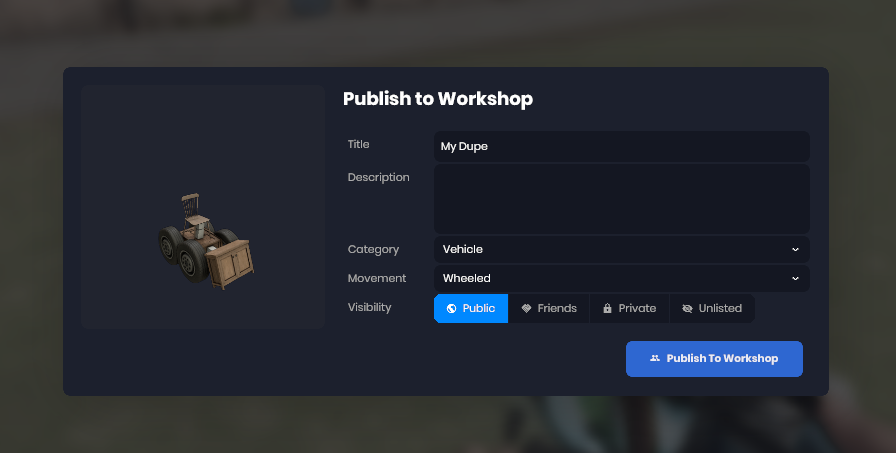
AddCategory method on the Modals.WorkshopPublishOptions struct.

INetworkSnapshot to GameObjectSystem so you can serialize and deserialize arbitrary data when the scene changes or the client joins for the first time.
field contextual keyword was causing errors when used in the setter or getter of a [Sync] property. I've now fully updated our CodeGenerator to support this keyword. This means you can also use it with any of your custom attributes using our CodeGenerator.LikeThis<T, R>(). By extension, this means you can now call RPC methods with generic arguments.
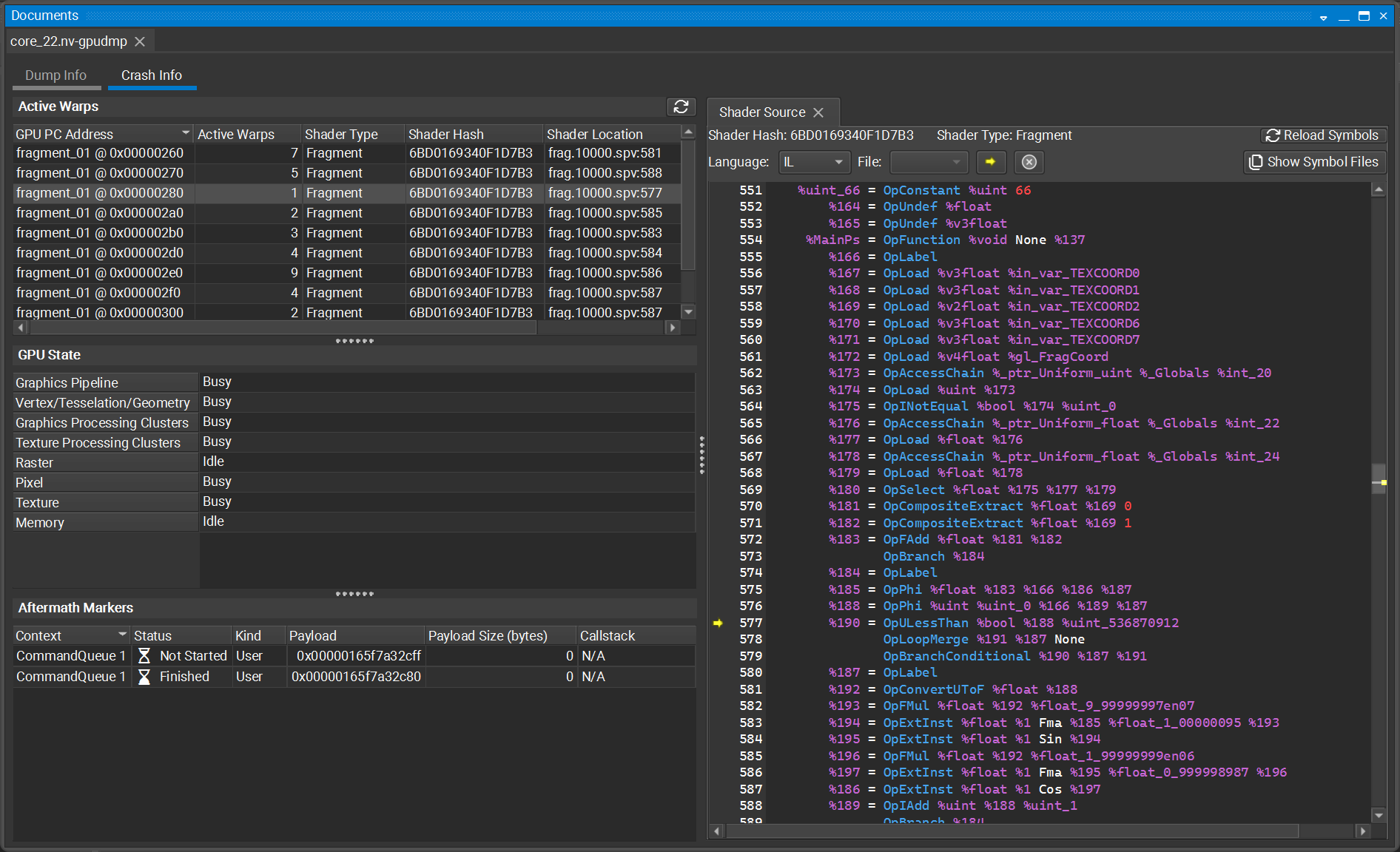
Nvidia Aftermath is now enabled by default and uploads GPU crash dumps to Sentry
Shader sources that were in our open source repo are now pushed to Steam too
Editor console links can open files (like videos)
Rubber Surface Type
Mapping: Fast Bevel Tool
Mapping: Fast Texturing Tool Undo/Redo
Mapping: Select Faces/Objects using Material
Mapping: Merge Meshes By Edge
Joint has an advanced AnchorBody property
GameObjectSystem supports INetworkSnapshot
AssetTypeAttribute.FindTypeByExtension
SpriteRenderer: Alpha Cutoff is allowed in all circumstances
ModelPhysics behaves better when enabling and disabling
Many IDisposable objects are now disposed properly with a using scope, reducing GC pressure
Many materials and shader references have been statically cached, reducing GC pressure
Dont break prefabs on networkspawn
GameResourceEditor windows are child of main editor (they no longer hide behind it)
Inspector now resolves SceneEditorSession from it's target
ByteStream now uses ArrayPool as it's backing storage
Mapping: Double click faces selects contiguous faces, not all of them
Mapping: Compute vertex tangents the same way hammer does
Mapping: Gizmos no longer eat inputs when double-clicking
Make DEBUG define constant controlled by ReleaseMode
Duplicate files when publishing a package, preventing publishing
Texture.Load and other media loads now obey the same rules as Http.Get
Terrain texture streaming not working
SkinnedRenderer add null check when accessing go parent
GlobalContext getting dropped in async tasks causing naked avatars in the main menu
Corrupt shader cache preventing the game from opening
VSCode workspace files failing to write when projects contained unittests
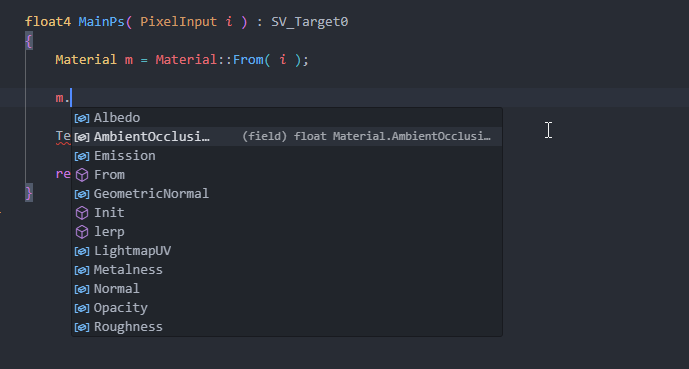
VSCode workspace sets slang.workspaceFlavor to vfx enabling shader intellisense
Texture Cube Fixes
Wheel suspension gizmo goes along Y
Handle HttpRequestException on package get
Label IsRich not applying font size, scaling properly
Game Controller Vendor Fix
BuiltIn game projects (menu) aren't dependent on libraries
Inspector selection lag
ComponentEditorWidget ignoring derived types @badandbest
 matt
matt Titanovsky
 Braxen 🐟
Titanovsky
Braxen 🐟
Titanovsky 3
1
3
1 EGoriy
3
EGoriy
3 Captain Sandvich II
1
Captain Sandvich II
1 Revolving DCON
1
Revolving DCON
1 i am ekaj
 TwinsD
 altairion
1
1
altairion
1
1 G+
3
G+
3 1
1